The Reality of Battery Energy Storage vs. Standby Generators
Property owners looking for reliable backup power frequently compare traditional mechanical generators with modern storage options. The conversation usually centers around fuel costs and noise levels rather than long-term mechanical reliability. At Agentis Electric Ltd, we evaluate properties based on actual load requirements and the reality of ongoing maintenance. Knowing the technical differences between these setups helps you make a secure and lasting investment for your property.
Many people assume a standard generator is the only way to keep the lights on during an extended outage. Trade professionals understand that battery setups offer distinct advantages when sized correctly and paired with smart load management. The right choice for your property depends entirely on your daily consumption habits and your willingness to perform annual upkeep.
Topics discussed below:
- Mechanical limitations: The reality of generator upkeep.
- Storage capacity: How batteries handle household loads.
- Long-term reliability: Choosing the right system for your property.
The Maintenance Reality of Mechanical Generation
A common assumption is that standby generators offer a foolproof solution that can simply be forgotten until an emergency occurs. In practice, combustion engines require strict maintenance schedules to ensure they start when you actually need them. Oil changes, filter replacements, and spark plug inspections must be performed annually, regardless of how often the unit runs. Neglecting these basic mechanical needs is the primary reason standby generators fail during severe weather events.
Fuel dependency is another factor that property owners often misunderstand. While natural gas lines provide a continuous supply, properties relying on propane or diesel are limited by their on-site storage capacity. During widespread outages, refilling these tanks can become nearly impossible due to supply chain disruptions and blocked roads. Relying purely on mechanical generation means accepting these logistical vulnerabilities and committing to ongoing service costs.
Understanding battery energy storage systems Guelph Installations
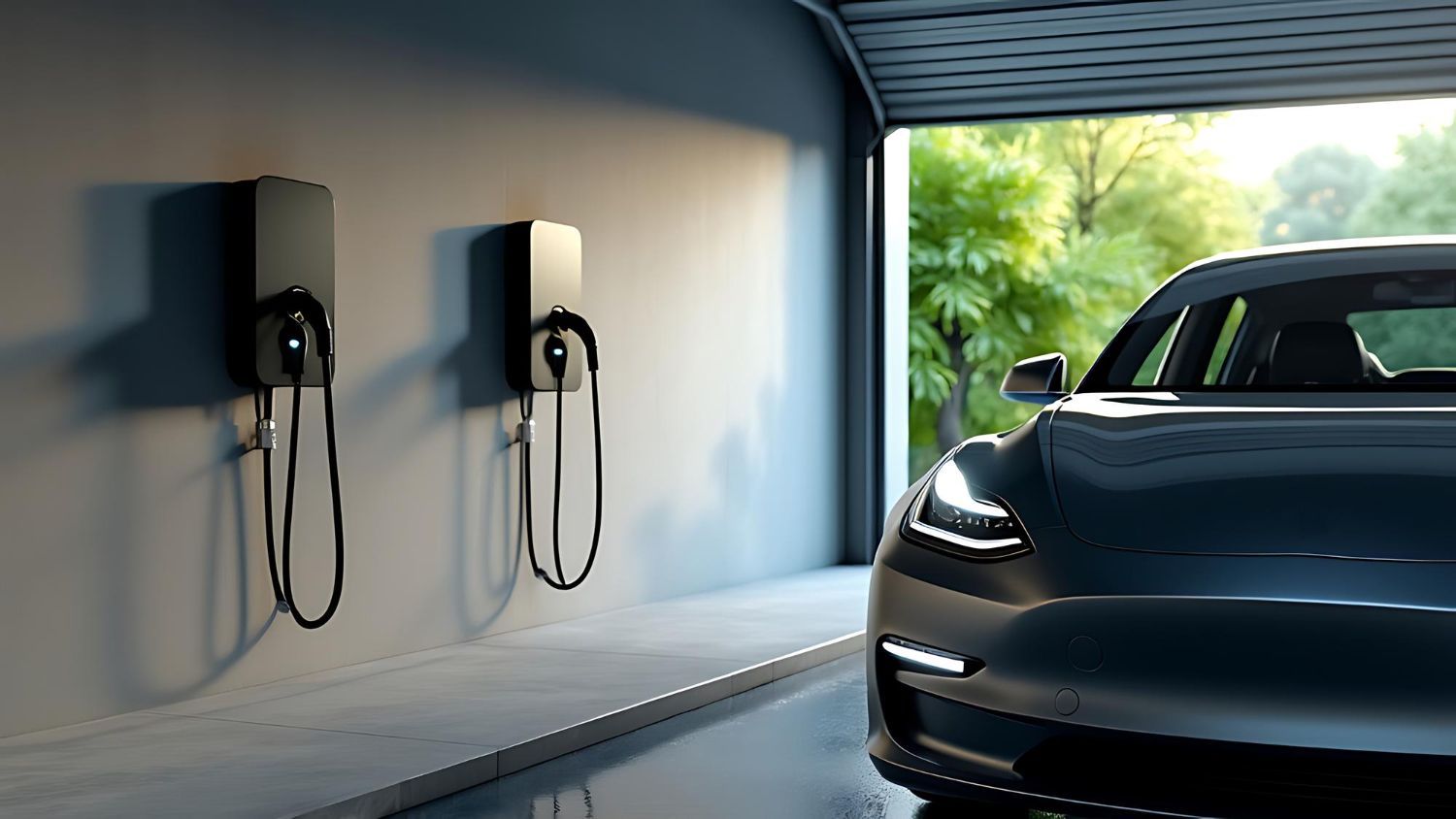
When answering whether battery setups are better than generators, trade professionals look at the specific application and goals of the property owner. Batteries provide instantaneous switchover during an outage, meaning your computers and sensitive electronics will not shut down. They operate in complete silence and require zero liquid fuels, making them ideal for dense residential neighborhoods in Kitchener, Ontario. However, a battery system alone has a finite capacity and must be properly managed to last through a prolonged outage.
The secret to a successful battery installation is intelligent load shedding. Unlike a massive generator designed to run the entire house simultaneously, a battery system is typically wired to a critical loads panel. This ensures that essential circuits like your refrigerator, well pump, and primary lighting remain powered while heavy draws like electric ovens are locked out. Managing your power consumption this way extends your backup duration significantly.
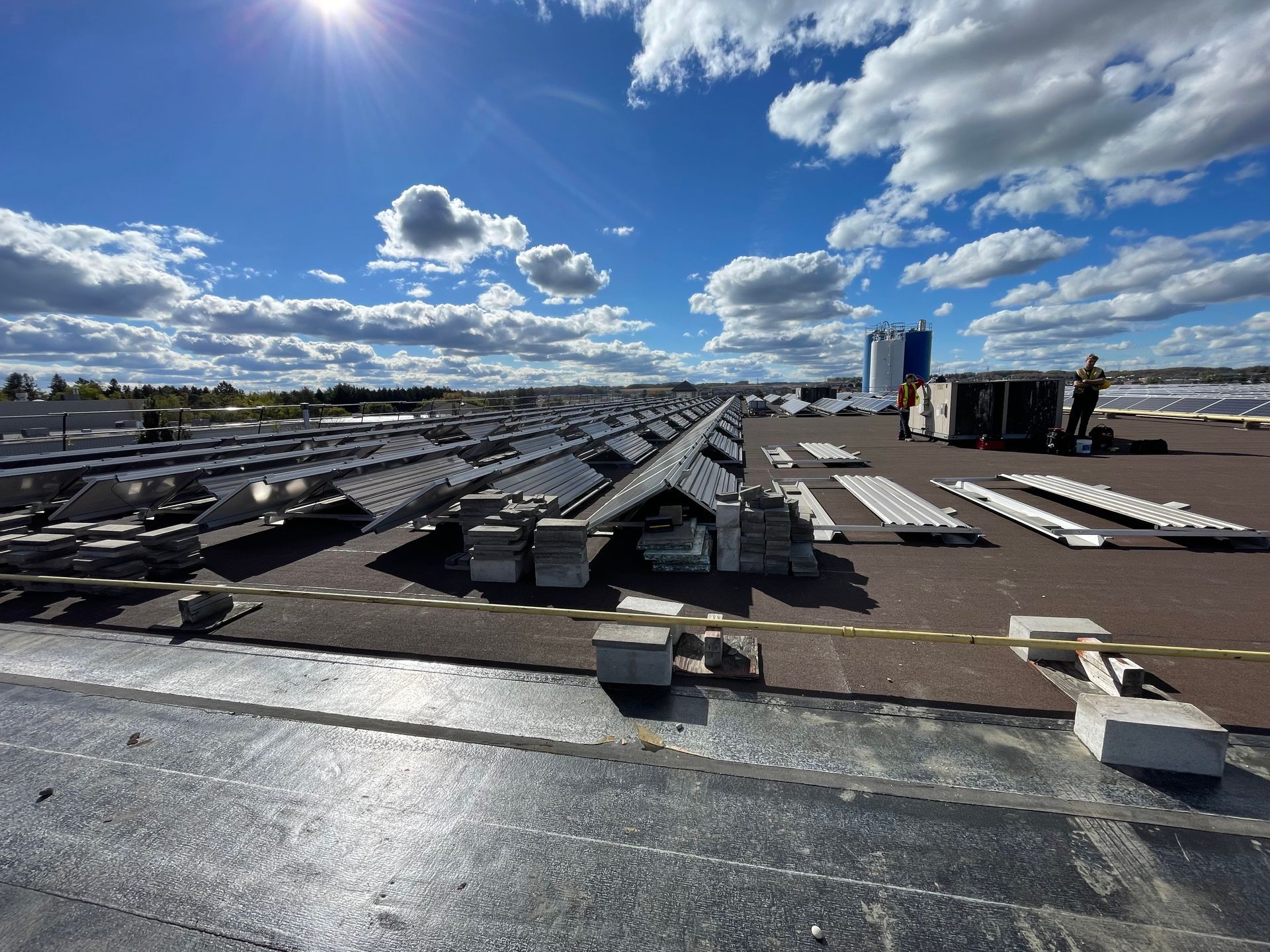
Pairing storage with renewable generation changes the equation entirely, creating a self-sustaining microgrid for your property. Proper PV solar maintenance ensures your panels can fully recharge your battery bank each day, completely removing the limitation of finite storage capacity.
Making an Informed Power Decision
The electrical industry is shifting rapidly toward silent, maintenance-free backup solutions. Mechanical generators still serve a purpose for properties with massive continuous power demands, but batteries offer superior daily utility and reliability for standard residential applications. A professional load calculation will reveal exactly how much storage your property requires to function comfortably. Contact our team to review your historical energy usage and design a backup system that fits your exact needs.
Share This Blog