4 Rules for Installing Level 2 EV Chargers in Older Ontario Homes
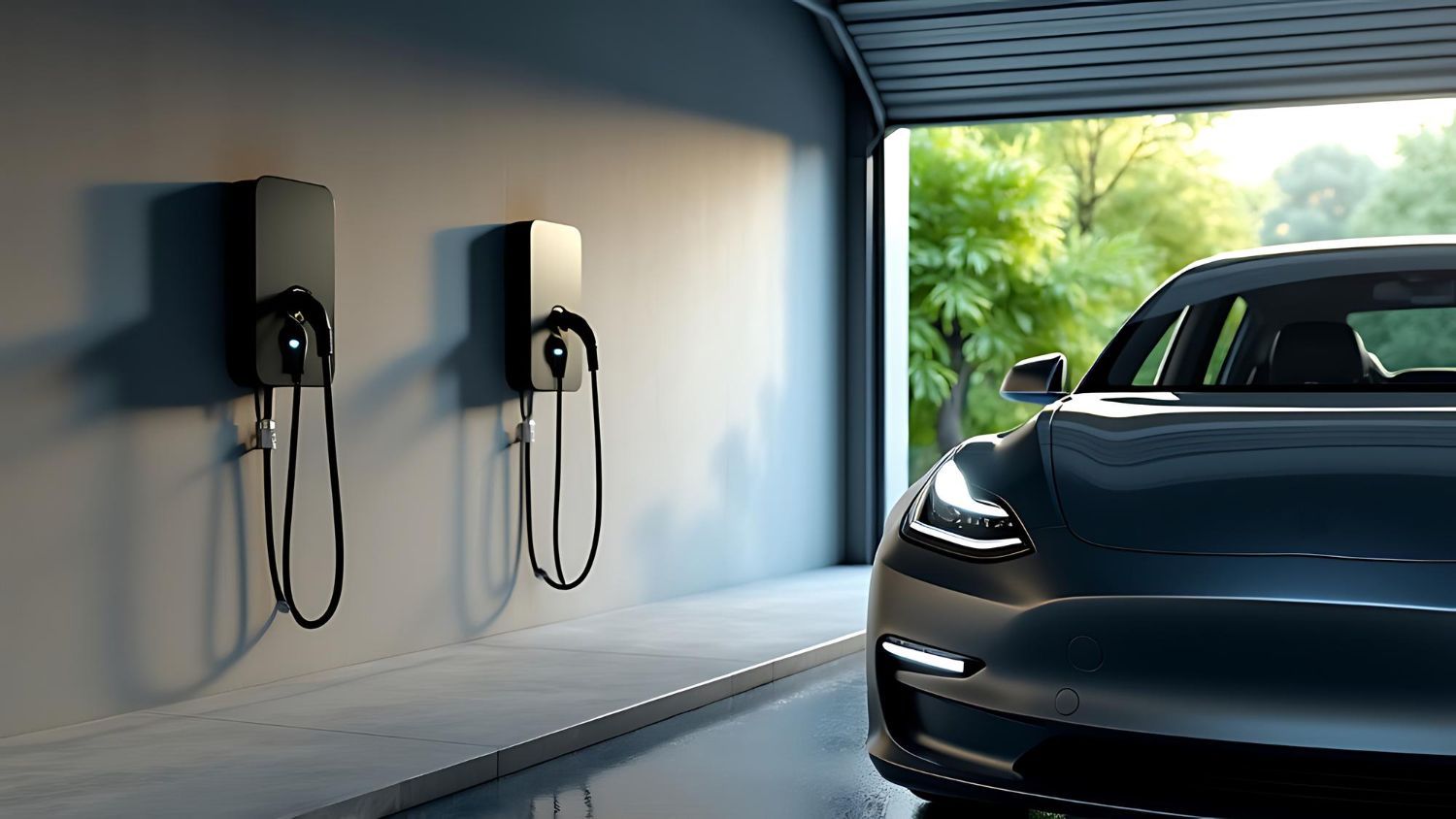
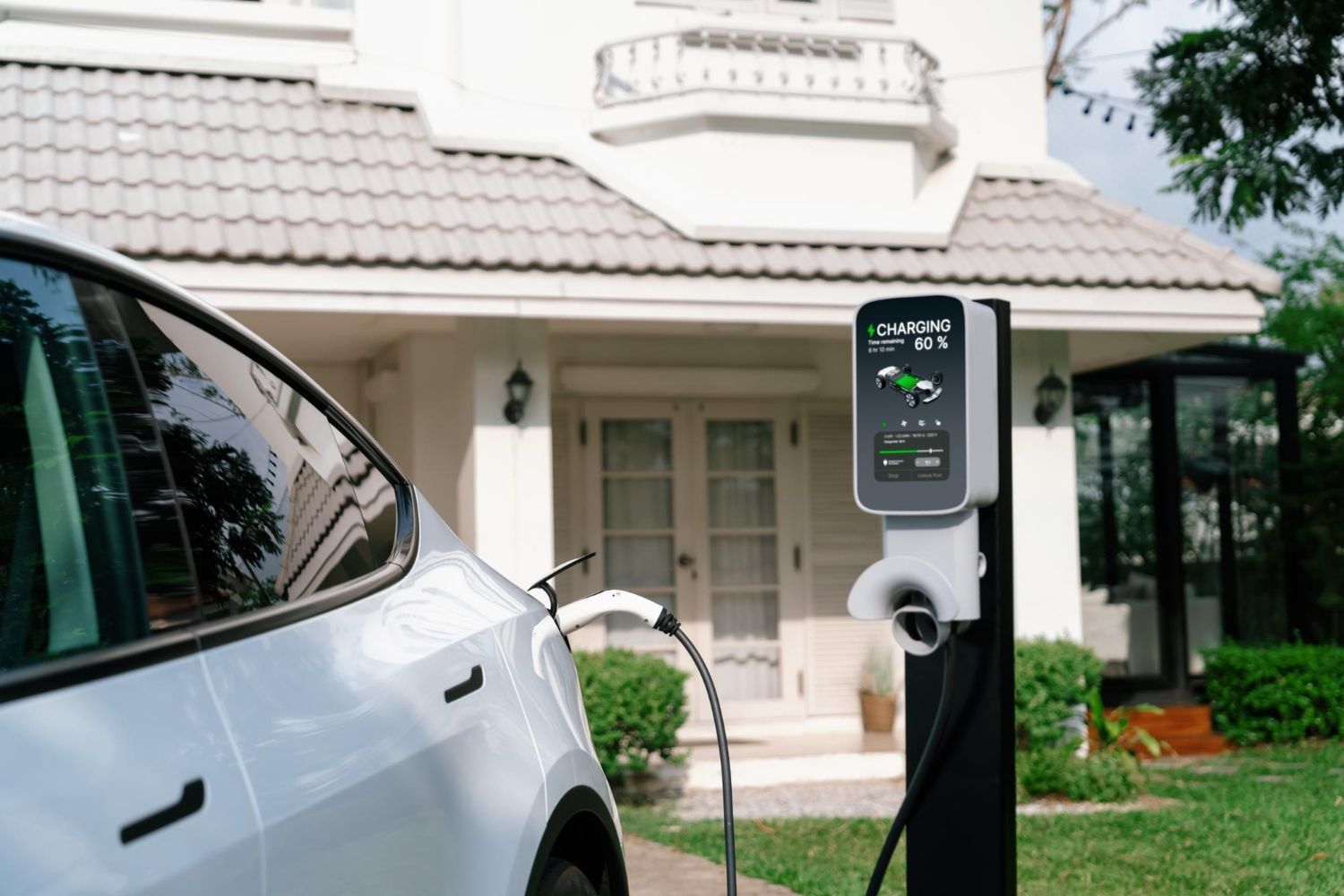
Purchasing an electric vehicle is an exciting step toward reducing your daily fuel costs. However, plugging your new car into a standard wall outlet will leave you waiting days for a full battery charge. At Agentis Electric Ltd, we ensure your home is safely equipped to handle the heavy power demands of modern electric vehicles. Planning your charging setup correctly is the only way to wake up with maximum driving range every single morning.
Adding a high capacity charger to an older property requires careful attention to the existing electrical infrastructure. Many homes in areas like Exhibition Park were built long before electric vehicles existed, meaning their power panels are easily overwhelmed. Following strict electrical rules for your EV charging equipment installation guarantees your vehicle charges quickly without creating a fire hazard.
What We Cover:
- Tip #1: Calculate Your Panel Capacity
- Tip #2: Verify Wire Gauge Sizing
- Tip #3: Check Your Garage Subpanel
- Tip #4: Select Hardwired Over Plug In
- Frequently Asked Questions
Tip #1: Calculate Your Panel Capacity
Older properties typically operate on a one hundred amp electrical service, which is barely enough to run a modern kitchen and laundry room. Adding a heavy continuous load to a maxed out panel will immediately trip your main breaker.
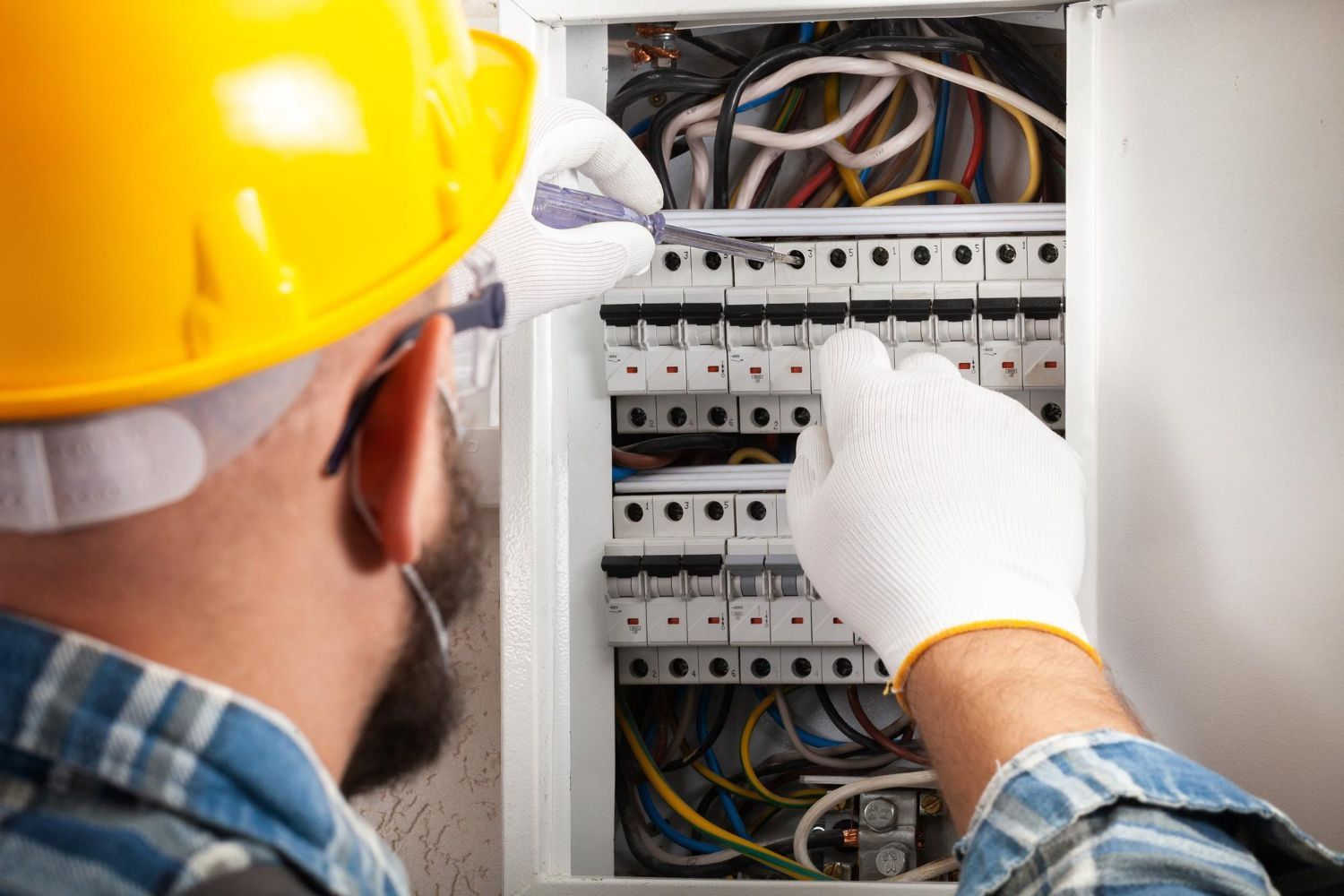
- Load Calculation: A licensed electrician must perform a strict mathematical load calculation to determine exactly how much spare capacity your home actually has.
- Panel Upgrades: If your current panel lacks the necessary amperage, you will need a service upgrade to two hundred amps before adding the charger.
- Smart Load Management: Specialized energy management devices can pause the charger automatically when your stove or dryer turns on, preventing an overload.
Tip #2: Verify Wire Gauge Sizing
Electric vehicle chargers run for hours at a time, creating massive amounts of heat inside the wiring. Using cheap or undersized wire will cause the insulation to melt inside your walls.
- Copper Only: Always use high quality copper wiring rather than aluminum, as copper handles continuous high heat loads much more safely.
- Proper Sizing: A fifty amp charger requires heavily insulated six gauge wire to carry the current safely over long distances.
Tip #3: Check Your Garage Subpanel
Many homeowners want their charger located in a detached garage. If your garage already has a small subpanel, it might not be rated to handle a new high speed charging unit.
- Feeder Wire Limits: The underground wire feeding your detached garage must be thick enough to support the charger and your existing garage lights simultaneously.
- Trenching Needs: Upgrading the garage power often requires trenching a new, thicker underground feed line from the main house panel.
Tip #4: Select Hardwired Over Plug In
While plug in chargers seem convenient, they add an unnecessary point of failure to the system. The heavy plug connections often degrade over time due to the extreme heat generated during charging cycles.
- Direct Connection: Hardwiring the unit directly into a junction box eliminates the physical plug, creating a much safer and permanent electrical connection.
- Weather Resistance: Hardwired units provide superior protection against moisture and humidity, making them the best choice for outdoor driveways.
Frequently Asked Questions
How much spare amperage do I need for a Level 2 charger?
A standard Level 2 charging unit requires a dedicated double pole breaker sized between forty and sixty amps depending on the model. Your main electrical panel must have this amount of spare capacity continuously available without overloading the main service feed. If your panel is already full, a heavy service upgrade is mandatory to support the new vehicle.
Can a standard garage outlet charge an electric car?
A standard one hundred and twenty volt garage outlet will provide a Level 1 trickle charge, which only adds about six kilometers of range per hour. This method is incredibly slow and often fails to fully recharge a depleted battery overnight. Cold winter weather slows this process down even further as the battery uses the incoming power just to keep itself warm.
Does an EV charger require a dedicated circuit?
Yes, electrical code strictly mandates that an electric vehicle charging station must have its own dedicated circuit. You cannot share this wiring with garage door openers, deep freezers, or lighting circuits. Sharing a high draw circuit creates an immediate fire hazard and will cause the breaker to trip continuously during the night.
Powering Your Daily Commute
Investing in the right charging infrastructure allows you to fully enjoy the convenience of your new electric vehicle. Taking the time to evaluate your electrical panel and wiring ensures your property remains completely safe under a heavy load. Reach out to our installation experts to assess your home and get your charging station properly wired.
Share This Blog